Malvani Prawn Curry Recipe: Authentic Coastal Flavours at Home
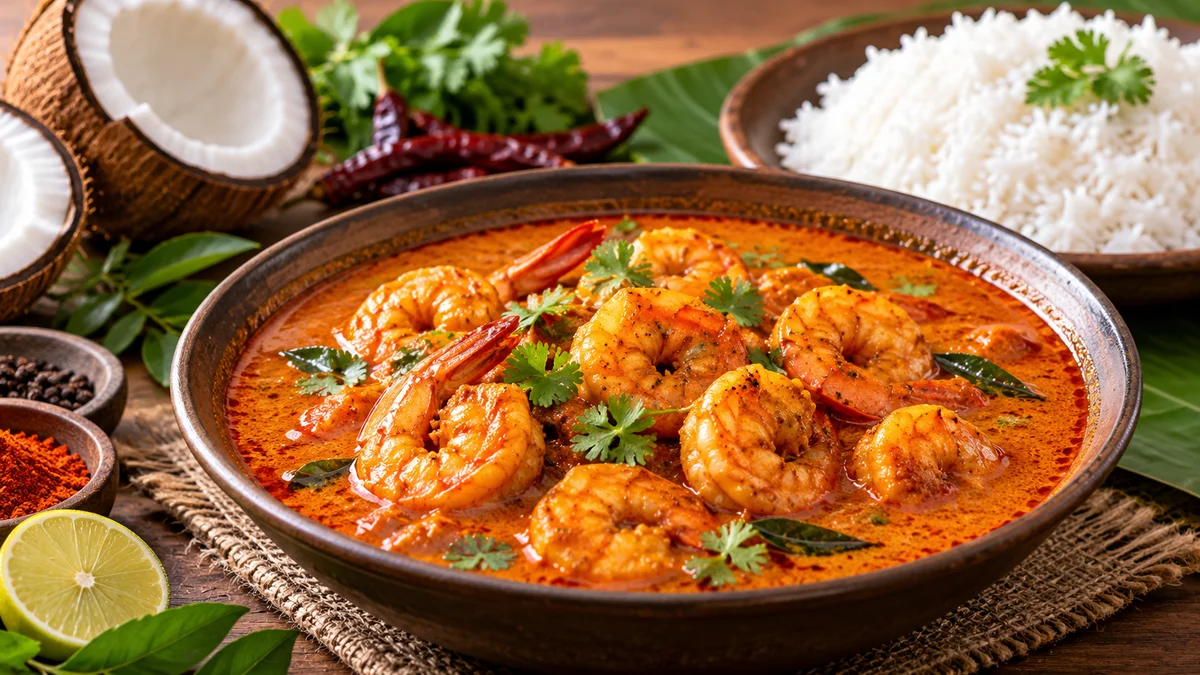
If you love coastal Indian cuisine, Malvani Prawn Curry is a must-try dish. Made with juicy prawns, aromatic spices, freshly prepared coconut masala, and tangy tamarind, this traditional-style curry brings the flavours of Maharashtra’s Konkan coast straight to your kitchen.
Whether you are preparing a special Sunday lunch, a family dinner, or a seafood feast, this delicious prawn curry pairs beautifully with steamed rice, sol kadhi, or soft chapatis.
In this recipe, we will show you how to prepare a flavourful Malvani-style prawn curry at home, including how to clean prawns, prepare the masala, cook the curry, and get the perfect balance of spice and tanginess.
Recipe Overview
Recipe name: Malvani Prawn Curry
Cuisine: Maharashtrian, Konkani, Coastal Indian
Preparation time: 20 minutes
Cooking time: 25 minutes
Total time: 45 minutes
Servings: 3–4 people
Difficulty: Easy to moderate
Main ingredient: Prawns
Best served with: Steamed rice, bhakri, chapati, or neer dosa
Ingredients for Malvani Prawn Curry
The secret to a delicious prawn curry is balancing the natural sweetness of prawns with coconut, spices, and a little tanginess.
1. Ingredients for the Prawns
500 g medium or large prawns, peeled and deveined
½ teaspoon turmeric powder
½ teaspoon red chilli powder
½ teaspoon salt, or to taste
1 teaspoon lemon juice
2. Ingredients for the Curry Masala
1 medium onion, finely chopped
1 medium tomato, chopped
½ cup freshly grated coconut
1 tablespoon ginger-garlic paste
2 tablespoons cooking oil
1 teaspoon coriander powder
1 teaspoon Malvani masala
½ teaspoon red chilli powder, adjusted to taste
¼ teaspoon turmeric powder
½ teaspoon cumin seeds
½ teaspoon mustard seeds
8–10 curry leaves
1 small piece of tamarind, soaked in water, or 1 teaspoon tamarind pulp
2 tablespoons fresh coriander leaves, chopped
1½–2 cups water, depending on the desired consistency
Salt to taste
Optional: Add 1–2 dried red chillies while roasting the coconut for a deeper, spicier flavour.
3. Ingredients for Garnishing
Freshly chopped coriander leaves
A few drops of lemon juice, if required
A small drizzle of coconut oil, optional
Step 1: Clean and Prepare the Prawns
If you are using whole prawns, remove the head and shell if desired. Make a shallow cut along the back and remove the dark digestive tract.
Rinse the prawns briefly under clean running water and drain them thoroughly. If you are using cleaned, deveined prawns, check that they are ready for cooking.
Place the prawns in a bowl and add turmeric powder, red chilli powder, salt, and lemon juice.
Mix gently and leave them to marinate for 10–15 minutes while you prepare the masala.
Tip: Avoid marinating prawns for too long in lemon juice, as the acidity can affect their texture.
Step 2: Prepare the Coconut Masala
Heat a small pan over medium-low heat. Add the grated coconut and dry-roast it gently until it becomes light golden and releases a pleasant aroma.
Add a little coriander powder and, if desired, one dried red chilli. Roast briefly, taking care not to burn the coconut.
Allow the mixture to cool.
Transfer it to a blender and add a little water. Grind into a smooth or slightly coarse paste, according to your preference.
The coconut masala gives the curry its characteristic coastal flavour and creamy texture.
Tip: Do not roast the coconut until it turns very dark, as this can make the curry bitter.
Step 3: Prepare the Curry Base
Heat two tablespoons of oil in a deep pan or kadai over medium heat.
Add mustard seeds and allow them to splutter. Add cumin seeds and curry leaves, followed by the finely chopped onion.
Sauté the onion for 5–7 minutes until soft and golden.
Add the ginger-garlic paste and cook for another minute, stirring continuously to prevent it from sticking.
Add the chopped tomato, turmeric powder, red chilli powder, and Malvani masala.
Cook for 4–5 minutes until the tomato softens and the mixture becomes thick and aromatic.
If the masala begins sticking to the pan, add a tablespoon or two of water.
Step 4: Add the Coconut Paste
Add the prepared coconut paste to the onion and tomato mixture.
Stir well so the masala combines evenly with the curry base.
Add approximately 1½ cups of water and mix thoroughly. Bring the curry to a gentle simmer.
Add the tamarind pulp and salt to taste.
Allow the curry to simmer for 5–7 minutes so the spices and coconut blend together.
Taste the gravy and adjust the chilli, salt, or tamarind as required.
For a spicier curry, add a little more chilli powder.
For extra tanginess, add a small amount of tamarind pulp.
For a thinner curry, add a little more hot water.
For a richer curry, add a little extra coconut paste.
Step 5: Cook the Prawns
Add the marinated prawns to the simmering curry.
Stir gently to coat them with the masala. Cover the pan and cook over medium-low heat for approximately 4–7 minutes, depending on their size.
Check the prawns as they cook. They should become opaque and firm, with a slight curl.
Avoid prolonged cooking because prawns can quickly become rubbery and tough.
For food safety, cook the prawns until the thickest parts reach an internal temperature of 63°C (145°F), measured with a food thermometer.
Once cooked, switch off the heat and add the chopped coriander leaves.
Let the curry rest for 2–3 minutes before serving.
Step 6: Serve Your Malvani Prawn Curry
Transfer the hot curry to a serving bowl and garnish with fresh coriander.
Serve it with one or more of these accompaniments:
Steamed rice: The classic choice. The rice absorbs the coconut gravy beautifully.
Chapati or bhakri: Ideal for enjoying the thick masala.
Neer dosa: A soft, delicate accompaniment that works wonderfully with coastal curries.
Sol kadhi: A refreshing kokum-and-coconut drink that complements the spices.
For a traditional coastal-style meal, serve the prawn curry with steamed rice, sol kadhi, and a side of vegetables.
Tips for Making the Perfect Prawn Curry
Choose Good-Quality Prawns
Use prawns that have been properly handled and stored chilled or frozen. They should not have a strong, unpleasant or ammonia-like smell.
If using frozen prawns, thaw them safely in the refrigerator or under cold running water in a sealed bag. Drain them well before cooking.
Do Not Overcook the Prawns
Prawns cook quickly. Add them only after the curry base is ready, and cook until they are opaque and reach a safe internal temperature.
Balance the Flavours
A good Malvani-style curry balances coconut richness, chilli heat, and tamarind tanginess. Add the spices and tamarind gradually, tasting as you go.
Adjust the Gravy
For rice, a slightly thinner gravy works well. For chapati or bhakri, prepare a thicker curry by reducing the water slightly.
Make the Masala Fresh
Freshly roasted coconut adds a wonderful aroma. If you are short on time, you can use ready-made coconut paste, but freshly prepared masala often delivers a more distinctive flavour.
Common Mistakes to Avoid
1. Overcooking the prawns: This can make them tough. Check them frequently near the end of cooking.
2. Burning the coconut: Burnt coconut can make the gravy bitter. Roast it gently over low to medium-low heat.
3. Adding too much tamarind: Excessive sourness can overpower the coconut and seafood flavours.
4. Using too much water: Add water gradually so you can control the thickness of the gravy.
5. Skipping the tasting step: Adjust salt, chilli, and tanginess before adding the prawns, so you do not need to cook them for too long.
Variations You Can Try
Creamy Coconut Prawn Curry
For a richer curry, add a little extra coconut paste. Simmer gently until the gravy reaches your preferred consistency.
Spicy Malvani Prawn Curry
Increase the Malvani masala or red chilli powder gradually. If you prefer a deep, roasted flavour, include a dried red chilli in the roasted coconut.
Quick Weeknight Prawn Curry
Use cleaned and deveined prawns and prepare the coconut paste in advance. This reduces the preparation time and makes the recipe easier on busy days.
Prawn Curry Without Coconut
If you prefer a lighter gravy, omit the coconut and prepare an onion-tomato masala with coriander, cumin, turmeric, chilli, and tamarind. The result will have a different flavour and texture from traditional coconut-based Malvani curry.
How to Store Leftover Prawn Curry
Allow leftovers to cool promptly, then transfer them to a clean, airtight container and refrigerate within two hours of cooking.
Refrigeration: Keep at 4°C or below and consume within 3–4 days.
Freezing: Freeze in a suitable airtight container for the best quality. Coconut-based gravies may change texture slightly after thawing.
Reheating: Reheat thoroughly until steaming hot throughout. Avoid repeated reheating and cooling.
For the best texture, cook only the quantity you expect to eat. Prawns are particularly enjoyable when freshly cooked.
Frequently Asked Questions
1. Which prawns are best for Malvani Prawn Curry?
Medium or large prawns work well because they retain a satisfying texture and absorb the curry flavours. Choose peeled and deveined prawns if you want to save preparation time.
2. Can I use frozen prawns?
Yes. Frozen prawns work well when they have been properly stored and safely thawed. Drain excess water before adding them to the curry.
3. How long should prawns be cooked?
Cooking time depends on their size, but many medium-sized prawns take around 4–7 minutes in simmering curry. Use their appearance and an internal temperature of 63°C (145°F) to check doneness.
4. Can I prepare the masala in advance?
Yes. You can prepare the coconut masala ahead of time and refrigerate it in a sealed container. For best quality, use it within a few days or freeze it in suitable portions.
5. Is Malvani Prawn Curry very spicy?
It can be, but you control the heat. Start with a modest quantity of chilli powder and Malvani masala, then adjust according to your preference.
6. What is the best accompaniment for prawn curry?
Steamed rice is a classic choice. Bhakri, chapati, and neer dosa also work well, while sol kadhi adds a refreshing coastal touch.
7. Can I make this curry without tamarind?
Yes. You can omit the tamarind or add a little lemon juice near the end of cooking. Add acidic ingredients gradually so they do not overpower the curry.
Conclusion
Malvani Prawn Curry is a delicious way to enjoy the flavours of coastal Maharashtra at home. With juicy prawns, roasted coconut, aromatic spices, and a hint of tamarind, this dish makes an excellent choice for family meals and seafood lovers.
The key to success is simple: use good-quality prawns, prepare a flavourful masala, balance the spices, and avoid overcooking the seafood.
Try this recipe with steamed rice or bhakri and enjoy a satisfying coastal-style meal in your own kitchen.
Looking for prawns for your next seafood meal? Explore the seafood selection at Machiwali.com and plan your next coastal-inspired recipe.